

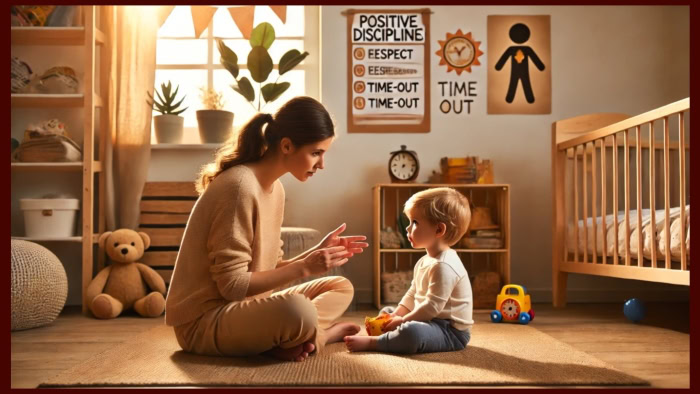
Introduction:
“Learning how to discipline a toddler requires patience, clear boundaries, and positive techniques to guide behavior while maintaining a loving, supportive relationship.”
Body:
Read the following article to learn about how to discipline a toddler in textual format.
1. How to Discipline a Toddler
How to discipline a toddler is a question many parents face as they navigate their child’s development. Toddlers are learning about boundaries, emotions, and social norms, making consistent discipline crucial.
Instead of reacting impulsively, focus on calm, patient, and clear strategies. Positive parenting for toddlers, which involves empathy and understanding, ensures effective discipline without harming the parent-child relationship.
2. How to Discipline a Toddler Without Yelling
Teaching toddlers to follow rules can be challenging, but it’s essential to their growth. Positive discipline techniques, such as setting clear expectations and reinforcing good behavior, help toddlers understand the consequences of their actions.
Using gentle discipline methods allows you to guide your child in a nurturing way, preventing unnecessary conflicts. This approach strengthens the emotional connection with your toddler, fostering trust and respect.
3. Positive Discipline Techniques for Toddlers
One of the most important aspects of parenting is how to discipline a toddler without yelling. By staying calm and composed, you provide a model of self-regulation that your child can emulate.
Instead of shouting, use a firm but kind tone to express your feelings. Teaching toddlers to control their emotions at a young age helps with their long-term emotional growth.
4. Gentle Parenting Discipline for Toddlers
Gentle parenting discipline for toddlers promotes understanding, respect, and kindness. It’s essential to guide toddlers through their behavior, teaching them how to express frustration appropriately.
Building trust through calm discipline supports the child’s emotional development and strengthens their sense of security. This form of parenting encourages self-regulation and fosters a sense of empathy in young children.
5. How to Discipline a Toddler With Proven Strategies
How to discipline a toddler with proven strategies involves consistency, patience, and clear communication. Setting boundaries with kindness and compassion ensures toddlers feel secure and supported while learning acceptable behavior.
Fostering emotional growth is essential for shaping positive behavior and long-term development. The focus should be on teaching toddlers to understand and regulate their emotions in constructive and healthy ways.
6. How to Handle Toddler Tantrums
How to handle toddler tantrums can be difficult for many parents, especially in public places. Instead of reacting in frustration, acknowledge your toddler’s feelings and provide comfort.
Using positive discipline techniques, like redirection and praise for good behavior, can help calm a situation. Gentle discipline methods teach toddlers that they can express their feelings without getting out of control.
7. Tips for Disciplining a Stubborn Toddler
One of the most common concerns is tips for disciplining a stubborn toddler. In these moments, it’s important to stay patient and firm, offering choices that empower the child.
Positive discipline encourages toddlers to cooperate by giving them a sense of control within a structured environment. Using calm words and consistency teaches your toddler the consequences of their actions.
8. Effective Discipline for Toddlers at Home
Effective discipline for toddlers at home involves creating a safe space where boundaries are clear and expectations are communicated. This approach encourages toddlers to follow rules and behave appropriately.
Encouraging cooperation is key, and it helps toddlers understand the importance of contributing to the family dynamic. Through this consistent structure, you help toddlers develop self-regulation.
9. How to Discipline a Toddler and Set Boundaries
Learning how to discipline a toddler and set boundaries requires clear and consistent communication. Respectful discipline techniques help toddlers understand rules while nurturing their growing independence.
Approaching discipline with patience and empathy is vital for fostering a trusting parent-child relationship. Setting boundaries provides toddlers with the structure they need to navigate their environment and develop positive behavior patterns.
10. Teaching Respect to a Toddler
Teaching respect to a toddler can sometimes feel overwhelming, but it’s essential for their social development. Using positive discipline methods, such as modeling respectful behavior, can significantly influence their actions.
Reinforcing respect through praise and encouragement teaches toddlers that their actions have consequences. Encouraging emotional growth in toddlers will help them learn how to interact with others in a compassionate way.
11. Discipline Techniques for Strong-willed Toddlers
Discipline techniques for strong-willed toddlers require patience, creativity, and consistency. When toddlers exhibit defiant behavior, offer clear choices that provide them with some control over the situation.
Avoid power struggles by redirecting their attention to something more positive. Encouraging emotional regulation and respecting their feelings fosters cooperation and understanding in these challenging moments.
12. How to Stop a Toddler From Hitting
If you’re wondering how to stop a toddler from hitting, start by addressing the behavior immediately and calmly. Let them know that hitting is unacceptable, but also teach them appropriate ways to express frustration or anger.
Fostering self-regulation in toddlers helps them learn how to manage their emotions without resorting to aggression. Supporting their emotional development through love and empathy will prevent similar outbursts in the future.
13. How to Discipline a Toddler to Encourage Better Listening
How to discipline a toddler to encourage better listening starts with using simple instructions and modeling active listening yourself. When toddlers feel heard and understood, they are more likely to respond positively and listen in return.
Positive reinforcement, such as praising toddlers for following directions, helps strengthen good listening habits. Disciplining with patience and calmness lays the groundwork for effective communication and mutual respect.
14. How to Discipline a 2-year-old
The age of two is crucial for behavior development, and how to discipline a 2-year-old requires a gentle approach. Toddlers at this stage are testing boundaries and seeking autonomy.
By offering structured choices, you empower your toddler to make decisions within a controlled environment. These strategies help toddlers understand the concept of rules and consequences, promoting healthy growth.
15. Managing Toddler Behavior Without Punishment
Managing toddler behavior without punishment requires creativity and understanding. Focus on teaching toddlers the difference between right and wrong by guiding them through their actions.
Positive discipline emphasizes teaching rather than punishing, encouraging toddlers to learn from their experiences. Supporting toddler emotional development ensures they understand their feelings and how to respond appropriately.
16. How to Discipline a Toddler in Public
How to discipline a toddler in public can be tricky, but staying calm is the key. When a toddler acts out in public, first acknowledge their feelings and offer reassurance.
Redirection works wonders in these situations, as it shifts the focus to a more positive activity. Maintaining a calm demeanor in public helps your toddler feel secure, knowing their behavior won’t cause distress.
17. How to Discipline a Toddler Without Losing Your Calm
One of the most effective ways to learn how to discipline a toddler without losing your calm is by validating their feelings. Kneeling down to their level and showing empathy helps toddlers feel understood and supported, even during challenging moments.
Guiding toddlers to manage their emotions with gentle, positive discipline techniques fosters long-term emotional well-being. This approach helps them develop healthy ways to express themselves while strengthening your parent-child bond.
18. Steps to Discipline a Toddler Effectively
The steps to discipline a toddler effectively involve patience, consistency, and empathy. Always approach discipline with the goal of teaching rather than punishing.
Positive discipline strategies, such as time-in and redirection, allow toddlers to learn from their mistakes in a supportive way. Reinforcing family values through discipline ensures toddlers grow up understanding the importance of respect, kindness, and responsibility.
19. How to Redirect a Toddler’s Bad Behavior
Sometimes, how to redirect a toddler’s bad behavior requires creative problem-solving. If a toddler is misbehaving, offer a more engaging alternative activity to focus their energy.
Redirecting their attention teaches them better ways to behave and avoids reinforcing negative behavior. Encouraging emotional growth and offering support helps toddlers make better choices in the future.
20. Toddler Discipline Tips for Parents
Toddler discipline tips for parents include staying consistent, offering choices, and praising good behavior. These simple strategies can significantly reduce conflicts and foster a positive atmosphere.
By focusing on positive reinforcement and empathy, you help toddlers feel secure and loved while learning boundaries. Setting clear, consistent rules provides a foundation for respectful behavior.
21. How to Discipline a Toddler by Understanding Their Emotions
How to discipline a toddler by understanding their emotions is essential for building a strong, supportive relationship. Toddlers often misbehave because they struggle with managing their developing emotions, such as frustration or confusion.
By recognizing and addressing their emotional needs, you can guide them more effectively through challenging situations. Understanding a toddler’s feelings allows parents to provide the support and tools needed for emotional growth and positive behavior development.
22. How to Use Time-outs Effectively for Toddlers
How to use time-outs effectively for toddlers involves using them as a chance for reflection rather than punishment. A brief time-out in a calm space helps toddlers process their emotions and understand the consequences of their actions.
Avoid making time-outs feel like punishment by explaining the purpose in a gentle manner. Teaching toddlers the importance of self-regulation through time-outs can help improve their behavior in the future.
23. Common Mistakes in Disciplining Toddlers
One of the common mistakes in disciplining toddlers is responding in anger or frustration. It’s important to take a moment to pause and reflect before addressing challenging behavior.
By remaining calm, you set an example of emotional regulation for your toddler. Patience in parenting toddlers teaches them the importance of managing emotions and responding thoughtfully.
24. How to Stay Calm While Disciplining a Toddler
How to stay calm while disciplining a toddler requires practice and mindfulness. Before reacting, take a deep breath and assess the situation.
Responding with patience and understanding helps both you and your toddler handle the moment with grace. Building trust through calm discipline encourages a strong emotional connection between you and your child.
25. How to Discipline a Toddler With Actionable Tips
How to discipline a toddler with actionable tips starts with understanding their developmental needs and emotional state. Encouraging cooperation, offering choices, and modeling respectful behavior are key strategies for effective discipline.
Supporting a toddler’s emotional development and fostering good behavior helps create a peaceful and structured home environment. These actionable tips equip toddlers with the skills they need to develop emotional intelligence and positive social interactions.
Conclusion:
How to discipline a toddler effectively requires patience, consistency, and clear boundaries. By focusing on positive toddler discipline, you guide your child to understand appropriate behavior without resorting to yelling. Gentle parenting tips, such as offering choices and reinforcing good behavior, help toddlers learn self-control while strengthening the parent-child bond.
When dealing with a stubborn toddler, it’s important to stay calm and use strong-willed toddler tips to redirect behavior. Instead of reacting impulsively, try toddler behavior management strategies like setting clear expectations and offering alternatives. Redirecting toddler behavior and using time-out tips for toddlers can help them process their emotions and calm down without escalating the situation.
To teach toddlers to listen and follow instructions, respectful toddler discipline is essential. Encouraging calm toddler tantrums through validation and gentle redirection helps toddlers feel understood and supported. By maintaining consistent boundaries and practicing emotional discipline for toddlers, you can foster cooperation and promote positive behavior in the long run.
Additional details of How to Discipline a Toddler:
- Total Words: 1935
- Category: Parents
- Author: Dialogue Don
Remember to share this post on your favorite social media platform with your friends, family, relatives, peers, and followers!