

Introduction:
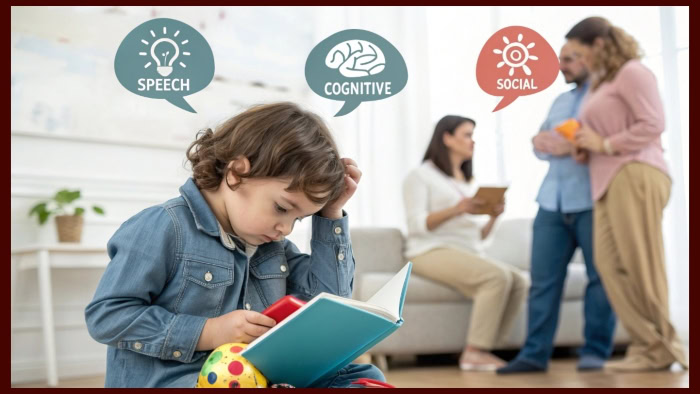
“Identify developmental delay in children early with signs, causes, and solutions. Learn effective strategies for speech, cognitive, and social development.”
Body:
Read the following article to learn about developmental delay in children in textual format.
1. Signs of developmental delay in children
Recognizing signs of developmental delay in children is critical for early intervention and better long-term outcomes. Parents may observe delays in language, motor skills, or social behavior, which could indicate a developmental delay.
Identifying these signs early gives the child a higher chance for improvement with the right support. It is important to approach the situation with patience and empathy toward the child’s unique developmental journey.
2. Causes of developmental delays in toddlers
The causes of developmental delays in toddlers can vary greatly and may involve genetic, environmental, or prenatal factors. Exposure to toxins, premature birth, or a lack of early stimulation may contribute to delays in a child’s development.
Understanding the root cause is vital for determining the appropriate interventions and therapies. Early identification helps parents access the right resources to promote development.
3. Early intervention strategies for developmental delays
Early intervention strategies for developmental delays can significantly improve a child’s progress. These strategies might include speech therapy, physical therapy, and behavioral therapy, targeting the specific areas where a child is struggling.
By acting quickly, families can provide the child with the support needed to meet developmental milestones. This commitment to early intervention often leads to better long-term outcomes for the child’s overall development.
4. How to support a child with speech delay
It’s important to know how to support a child with speech delay effectively. Encouraging communication through simple language, reading, and interactive play can help promote speech development.
A speech therapist can guide parents in exercises and techniques to enhance verbal communication. With consistent support, a child’s speech can improve, fostering better social and emotional connections.
5. Early Signs of Developmental Delay in Children
Early signs of developmental delay in children may be evident when a child is not meeting typical milestones such as walking, talking, or interacting with others. These signs may include difficulty with motor coordination or problems understanding language.
Observing and recognizing these early indicators can be crucial for seeking early intervention. A proactive approach helps reduce concerns and sets the stage for appropriate interventions.
6. Cognitive development delays in preschoolers
Cognitive development delays in preschoolers can have a noticeable impact on their ability to solve problems, follow instructions, or develop age-appropriate academic skills. These delays may manifest as difficulty in understanding concepts, remembering instructions, or focusing on tasks.
Early recognition and intervention through tailored educational support can help improve these cognitive skills. Parents should remain hopeful that progress can be made with the right strategies and resources.
7. Social skills development in delayed children
Social skills development in delayed children can be challenging, as these children may struggle with interacting and making connections with peers. Delayed social skills can affect the child’s ability to play, share, or communicate effectively.
Structured social skills groups or therapy can support these children in building positive social interactions. Encouraging socialization in a supportive environment helps foster relationships and confidence.
8. Best therapies for developmental delays
Identifying the best therapies for developmental delays depends on the type of delay a child experiences. Speech therapy, occupational therapy, and physical therapy are commonly used to address various developmental concerns.
Therapists tailor their approaches based on individual needs, helping the child build crucial skills. An integrated approach that includes multiple therapies often yields the best results.
9. Understanding Developmental Delay in Children
Understanding developmental delay in children involves recognizing that delays in one area, such as speech or motor skills, can impact other developmental areas. Each child is unique, and their developmental trajectory may differ from others.
Being aware of the potential challenges that allows parents and caregivers to advocate for their child’s needs. When approached with empathy and dedication, the child’s potential for growth is vast.
10. Social skills and developmental delay in children
Social skills and developmental delay in children can be intertwined, as difficulties in one area may affect interactions with peers. Children with developmental delays may not understand social norms, making it harder for them to connect with others.
Social skills training and consistent support can help children build these essential abilities. The goal is to provide a nurturing environment where children can thrive socially and emotionally.
11. Early signs of autism spectrum disorders
Recognizing early signs of autism spectrum disorders is essential for early intervention and proper support. These signs include difficulties in communication, repetitive behaviors, and challenges with social interactions.
Early diagnosis can lead to timely therapy that helps the child improve social, emotional, and communication skills. Understanding the spectrum of autism can empower families to seek the best strategies for their child’s development.
12. Language development delays in young children
Language development delays in young children are among the most common signs of developmental delay. Children may have trouble understanding or expressing themselves verbally, which can affect their social interactions.
Early intervention strategies, including speech therapy, can make a significant difference in helping the child develop language skills. A child’s ability to communicate is crucial for their emotional and social well-being.
13. Early Signs of Developmental Delay in Children
Identifying early signs of developmental delay in children is an important first step toward getting the help they need. Signs may include a delay in motor skills, difficulty with speech, or lack of interest in social interactions.
Detecting these signs early on helps parents and caregivers take action and begin intervention programs sooner. A supportive environment at home and in therapy will encourage development.
14. Role of occupational therapy in child development
The role of occupational therapy in child development is critical for children with delays in motor skills and sensory processing. Occupational therapists work with children to develop fine motor skills, such as holding utensils or dressing themselves.
This therapy also helps children adapt to their environment and build independence. By addressing these areas, children are better prepared for everyday tasks and educational settings.
15. Physical therapy exercises for toddlers
Physical therapy exercises for toddlers focus on developing gross motor skills, including walking, running, and jumping. These exercises help toddlers gain strength, balance, and coordination, which are important for their overall physical development.
Through guided activities and consistent practice, children can improve their motor abilities. Parents should work closely with therapists to ensure that exercises are both engaging and effective.
16. Special education programs for developmental delays
Special education programs for developmental delays provide tailored support for children who need additional help in the classroom. These programs may offer specialized teaching methods, additional resources, or one-on-one support to ensure children succeed.
By creating a supportive learning environment, special education programs can help children integrate into regular educational settings. The goal is to foster independence, build self-esteem, and support long-term academic success.
17. Preventing Developmental Delay in Children
Preventing developmental delay in children starts with healthy prenatal care, proper nutrition, and early stimulation. Parents can reduce risks by ensuring the child’s environment is enriching and free of toxins.
Early identification and intervention are key in preventing further delays, ensuring children meet their developmental milestones. Preventive measures help promote healthy brain development and improve overall outcomes.
18. Pediatric therapy options for developmental delays
Pediatric therapy options for developmental delays are diverse, ranging from speech and occupational therapy to physical therapy and behavioral therapy. These therapies can be used in combination to address multiple areas of delay.
Pediatric therapists provide specialized services that cater to the child’s unique needs, ensuring targeted support. Early access to these therapies plays a crucial role in supporting developmental progress.
19. Neurodevelopmental disorders in early childhood
Neurodevelopmental disorders in early childhood can include conditions such as autism, ADHD, and cerebral palsy, which may lead to delays in speech, motor skills, and cognitive development. These disorders can affect the brain’s ability to process information and respond to stimuli.
With early diagnosis and intervention, children can receive therapies to help them thrive in various aspects of their development. Understanding and accepting these conditions allows families to seek appropriate resources and support.
20. Child psychology services for developmental issues
Child psychology services for developmental issues help assess emotional and behavioral challenges that may accompany developmental delays. Psychologists provide support to children and families in managing frustrations, building coping skills, and understanding emotional regulation.
These services are especially helpful in addressing the emotional well-being of the child and fostering positive family dynamics. Therapy may also include guidance for parents on how to support their child’s emotional health.
21. Educational Strategies for Developmental Delay in Children
Educational strategies for developmental delay in children involve creating an individualized approach to learning that accommodates the child’s specific needs. Teachers may use visual aids, simplified instructions, and hands-on activities to help the child understand and engage with the material.
These strategies promote academic success while fostering an inclusive environment for all children. It is essential to collaborate with professionals to design a tailored learning plan.
22. Benefits of speech therapy for toddlers
The benefits of speech therapy for toddlers extend beyond improving speech to include enhancing communication skills, social interaction, and self-expression. Speech therapists work with toddlers to build vocabulary, understand language, and use verbal communication effectively.
Early intervention in speech therapy often leads to improved speech and language skills, fostering better social and emotional development. Consistency and encouragement from both therapists and parents contribute to positive outcomes.
23. How to assess developmental milestones at home
How to assess developmental milestones at home involves observing the child’s abilities in various areas, such as motor skills, language, and social interactions. Parents can track the child’s progress by comparing their development to typical milestone timelines and consulting professionals as needed.
Regular assessments help detect any potential delays early, allowing for timely intervention. A proactive approach empowers parents to support their child’s development effectively.
24. Addressing delayed milestones in infants
Addressing delayed milestones in infants requires patience, observation, and professional input. If an infant is not reaching expected milestones, parents should consult a pediatrician for guidance and possible referrals to specialists.
Early therapy interventions can be critical in addressing delays in areas like motor development, speech, or social skills. Caregivers should continue to provide a nurturing environment to support the infant’s growth and development.
25. Nutrition and Developmental Delay in Children
Nutrition and developmental delay in children are closely linked, as proper nutrition supports the growth and function of the brain. Nutrient deficiencies can lead to delays in cognitive, motor, and language development.
Ensuring that a child receives a balanced diet rich in essential nutrients, such as vitamins, minerals, and healthy fats, is crucial for preventing or addressing developmental delays. Parents should consult with healthcare professionals to create a nutrition plan that supports optimal child development.
Conclusion:
Developmental delay in children can be manifested in various ways, such as speech delays, motor skill challenges, or social interaction difficulties. Recognizing the early signs of developmental delay allows parents and caregivers to seek timely interventions that can help the child catch up with their peers. Early identification is key to ensuring that the child receives the appropriate therapies and support.
The causes of developmental delays in toddlers can stem from a range of factors, including genetic conditions, premature birth, or environmental influences such as exposure to toxins. Understanding these underlying causes is crucial for determining the most effective early intervention strategies. Addressing developmental delays as early as possible helps to minimize long-term effects on the child’s overall development.
Early intervention strategies for developmental delays often include therapies like speech therapy, occupational therapy, and physical therapy to address specific areas of need. Supporting a child with speech delays, for instance, involves engaging in interactive activities that encourage communication and language skills. Working closely with pediatric therapists ensures that children receive individualized care that supports their growth and development.
Additional details of Developmental Delay in Children:
- Total Words: 2038
- Category: Parents
- Author: Dialogue Don
Remember to share this post on your favorite social media platform with your friends, family, relatives, peers, and followers!